How to Tell If You Need Garage Door Opener Repair
Garage door opener repair is necessary if your door moves slowly, makes excessive noise, or fails to respond to controls. Common repairs involve replacing stripped gears, faulty logic boards, or misaligned sensors. Typically, professional repairs cost between $150 and $400, while a full replacement ranges from $350 to $700.
Have you ever wondered if that strange sound from your garage door opener is just a harmless quirk—or the warning sign of a bigger problem? Your garage door is a daily convenience, but a malfunction can leave you stranded or compromise your home's security. Garage door opener repair is rarely top of mind—until something goes wrong. Understanding the early warning signs can save you from an expensive emergency and keep your daily routine running smoothly.
What are the signs of a failing garage door opener?
Identifying a problem early is the best way to avoid a total system failure. While some issues are obvious, others are subtle shifts in how the motor sounds or how the door behaves during its cycle. If you notice any of the following, it is likely time to investigate a garage door opener repair .
- Intermittent Operation : The door opens sometimes but stays shut at others.
- Excessive Noise : Grinding, squeaking, or rattling sounds during operation.
- Reversing Behavior : The door starts to close but immediately reverses without an obstruction.
- Slow Response Time : A significant delay between pressing the button and the door moving.
- Vibration : The opener housing shakes or vibrates against the ceiling mounts.
When your opener begins to struggle, it puts additional strain on the rest of the system. This can lead to premature wear on your rollers, tracks, and even the garage door springs . By addressing opener issues promptly, you protect the entire mechanism and extend the lifespan of your door.
Why is my garage door opening and closing on its own?
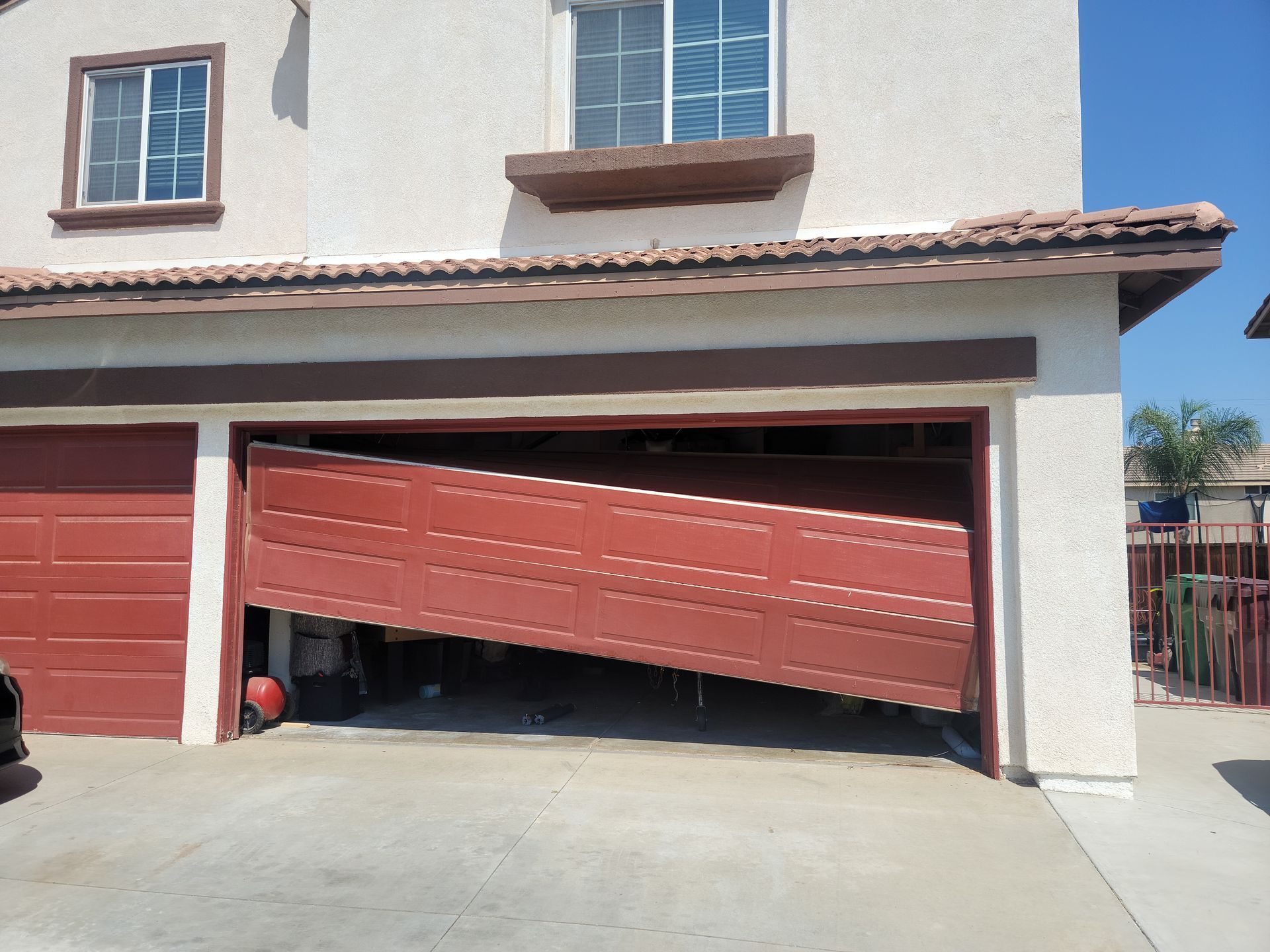
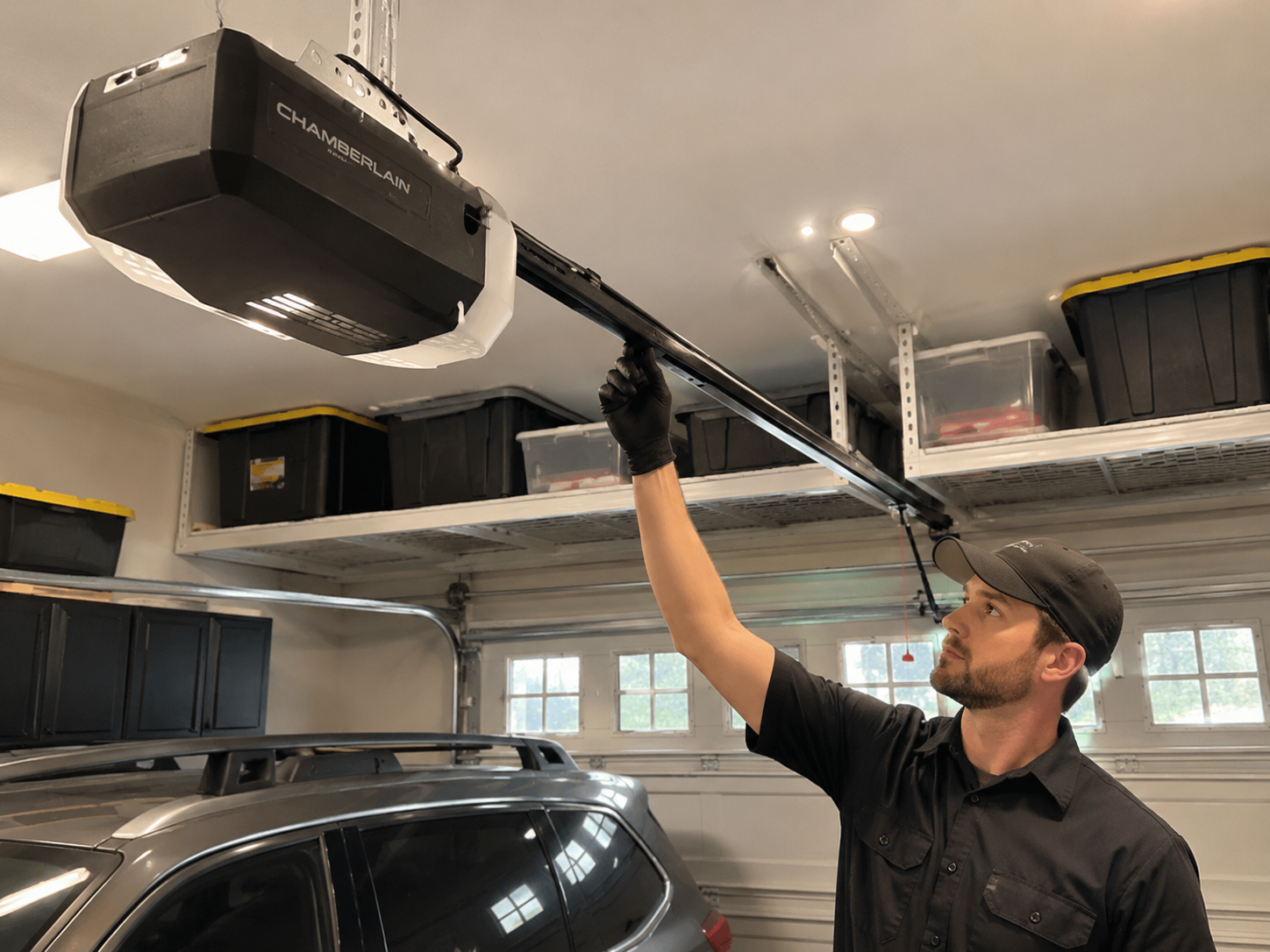
One of the most unsettling experiences for a homeowner is finding their garage door open when it should be closed. This "phantom operation" is a clear indicator that your system needs professional attention. Often, this is caused by a short circuit in the wall button wiring or the logic board itself. In some cases, neighboring frequencies or older remote codes can trigger the opener, though modern rolling-code technology has made this less common.
Another frequent culprit is a stuck button on a remote or a keypad. If the internal contacts are worn down, they may create a connection without being pressed. Regardless of the cause, an unpredictable garage door is a major security risk. Ensuring your garage door maintenance is up to date can help identify these electrical quirks before they lead to a security breach.
How much does garage door opener repair cost in 2026?
Budgeting for home repairs is always a priority for homeowners in Southwest Riverside County. The cost of garage door opener repair varies based on the severity of the issue and the specific parts required. On average, you can expect to pay between $150 and $400 for most common repairs. This typically includes the service call fee, diagnostic time, and the replacement parts.
Here is a general breakdown of what you might expect to pay for specific repairs:
- Safety Sensor Alignment/Replacement : $100 – $200.
- Logic Board Replacement : $200 – $350.
- Gear and Sprocket Kit : $150 – $250.
- Capacitor Replacement : $120 – $180.
- Remote or Keypad Programming : $75 – $150.
If the cost of the repair approaches 50% of the cost of a new unit, many professionals recommend a full replacement. A new, high-quality opener typically costs between $350 and $700, including professional installation. While the upfront cost is higher, a new unit comes with a fresh warranty and updated safety features, such as battery backups and smartphone integration, which can provide better long-term value.
Common Garage Door Opener Components and Failures
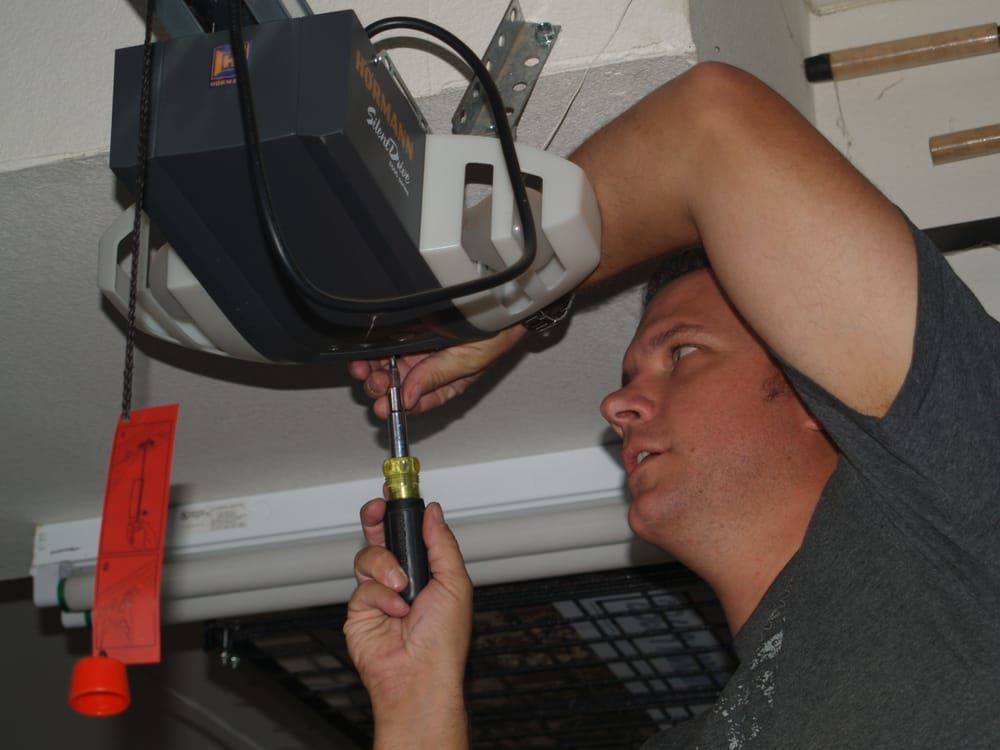
To understand why a repair is necessary, it helps to know what is happening inside that box on your ceiling. The opener is a complex piece of machinery that coordinates electrical signals with mechanical force. When one part fails, the entire system can grind to a halt.
- The Motor : The heart of the unit; if it hums but doesn't move, the motor or capacitor may be dead.
- The Drive Train : Whether it is a chain, belt, or screw drive, these components can snap or strip over time.
- The Logic Board : The "brain" of the opener that processes signals from remotes and sensors.
- The Limit Switches : These tell the motor when the door is fully open or fully closed.
- The Trolley/Carriage : The piece that slides along the rail to move the door; these can break under high tension.
Can I fix a garage door opener myself?
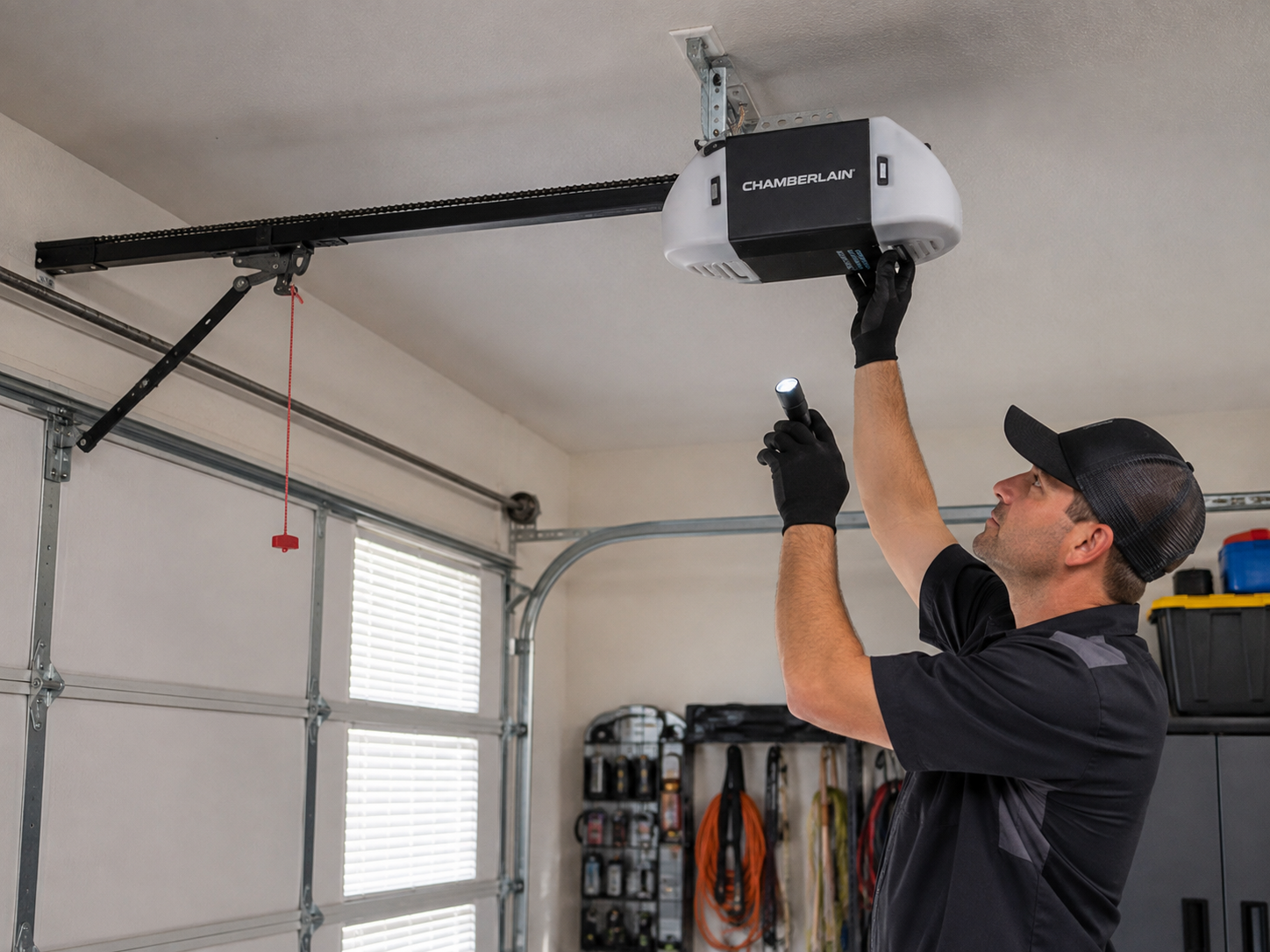
While some minor tasks are DIY-friendly, garage door systems are under immense tension and involve high-voltage electricity. Simple troubleshooting, such as checking the batteries in your remote or cleaning the safety sensors, is perfectly safe for homeowners. However, opening the motor housing or attempting to adjust the drive chain can be dangerous if you aren't trained.
If you find yourself facing a mechanical failure, it is always safer to call for a garage door repair . Professionals have the specific tools and experience to diagnose the issue quickly, preventing you from spending money on parts you might not actually need. Furthermore, many DIY attempts accidentally void the manufacturer's warranty, leading to higher costs down the road.
Should I repair or replace my garage door opener?
Deciding whether to patch up your current unit or invest in a new one is a common dilemma. Age is the primary factor; most garage door openers have a lifespan of 10 to 15 years. If your unit is reaching that decade mark and starts requiring frequent repairs, replacement is usually the smarter financial move. Newer models are significantly quieter, especially belt-drive versions, and offer much higher security standards than older units.
Another reason to replace rather than repair is the lack of modern safety features. If your opener was manufactured before 1993, it lacks the standard infrared safety sensors required by law. In these cases, a reputable company will almost always recommend a new garage door installation or at least a full opener replacement to ensure your home meets current safety codes.
Safety Considerations During Opener Malfunctions
A malfunctioning opener isn't just an inconvenience; it can be a hazard. Modern openers are equipped with an emergency release cord (usually a red handle). If your opener fails while the door is closed, you can pull this cord to operate the door manually. However, you should only do this if the door is fully closed. If the door is stuck halfway, pulling the release could cause it to crash down, especially if you have a broken spring.
If your door is acting erratically, it is best to stop using it immediately and contact ODS. Continued use of a failing opener can cause the motor to burn out or, worse, cause the door to fall off its tracks, leading to thousands of dollars in property damage or serious injury.
Local Service for Southwest Riverside County
For homeowners in Winchester, Murrieta, and Temecula, the local climate can actually play a role in opener longevity. High heat in the summer can cause electronic components like the logic board to degrade faster, while seasonal shifts can affect the lubrication of the tracks and drive system. Working with a company that understands the specific needs of our service areas ensures your repair is handled with local expertise.
Whether you are in Menifee, Wildomar, or Lake Elsinore, having a functioning garage door is essential for security and convenience. Regular inspections and timely repairs ensure that your home remains accessible and your family stays safe.
Summary of Garage Door Opener Health
Maintaining your garage door opener is a critical part of home ownership that ensures safety, security, and convenience. By recognizing the early signs of failure—such as strange noises, slow movement, or intermittent operation—you can address repairs before they become costly emergencies.
Key Takeaways:
- Monitor for Noise : Grinding or rattling sounds are early indicators of mechanical wear.
- Watch the Costs : Most repairs fall between $150 and $400; consider replacement if repairs exceed half the cost of a new unit.
- Prioritize Safety : Never ignore a door that reverses for no reason, as this indicates a sensor or logic board failure.
- Know When to Call : For electrical or internal motor issues, always contact a professional to maintain your warranty and ensure safety.
If your garage door is showing signs of age or malfunction, don't wait for it to stop working entirely. Evaluate your options today and keep your home's most frequent entry point in top condition.
Recent Posts